
 Skillfora Team
August 13, 2026
Skillfora Team
August 13, 2026
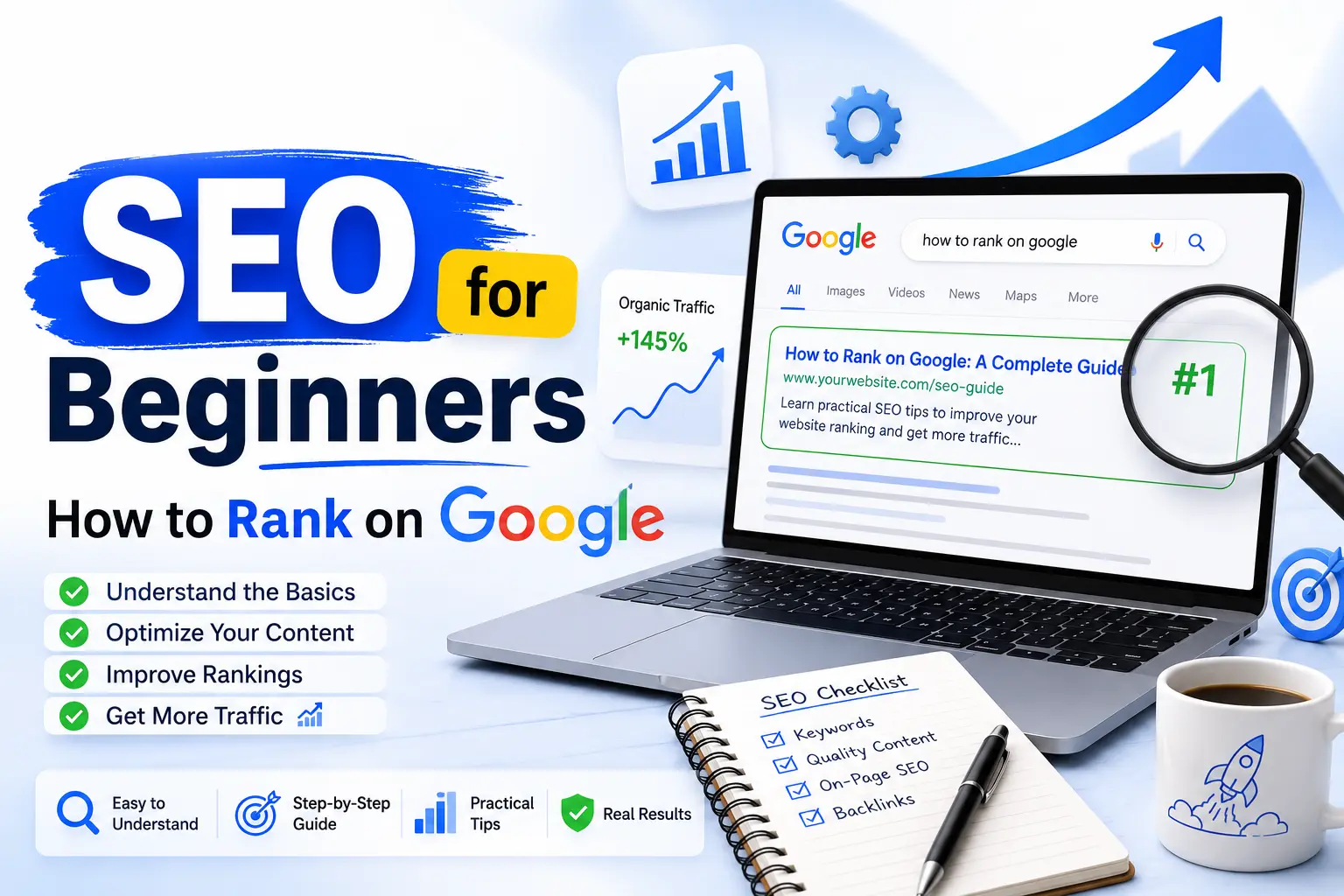
If you have ever wondered why some websites show up on the first page of Google while others seem to disappear into the void, the answer almost always comes down to SEO. Search Engine Optimization is not a magic trick or a one-time checklist you complete and forget. It is a skill set, and like any skill, it can be learned step by step. This guide covers the real fundamentals so you can understand what actually moves the needle when you're trying to get found online.
SEO stands for Search Engine Optimization: the practice of shaping a website so that search engines like Google can understand it, trust it, and show it to people searching for related topics. The key word is organic. Unlike paid ads, where you pay for every click and traffic stops the moment your budget runs out, organic traffic from SEO keeps arriving as long as your page stays relevant and well-optimized. That doesn't make SEO free — it costs time, research, and often ongoing content work — but it builds an asset that compounds instead of a tap you have to keep paying to keep open.
For small businesses and independent creators especially, this matters a lot. Paid ads can get expensive fast, but a well-optimized page can keep bringing in visitors for months or years after it's published.
Before you write a single word of content, you need to know what your audience is typing into Google. This is keyword research, and it starts with a concept called search intent: the real reason behind a search. Someone searching "best running shoes for flat feet" wants a comparison or recommendation, not a history of running shoes. Someone searching "how to tie running shoes" wants a quick how-to, not a product page. Matching your content to the intent behind a keyword is often more important than the keyword itself.
Practically, keyword research means brainstorming phrases your ideal reader would use, checking Google's autocomplete and "People also ask" boxes for related terms, and noting the type of results Google already ranks for a given phrase — that tells you what format it thinks best satisfies that search.
On-page SEO refers to everything you control directly on your own page. A few fundamentals to get right on every piece of content:
Technical SEO sounds intimidating, but the core ideas are simple:
None of these require deep coding knowledge to understand — but implementing them correctly on a real site is a skill worth learning properly rather than guessing at.
Google's stated goal is to give searchers the most useful, trustworthy answer to their query. In practice, that means thin, generic pages that barely cover a topic tend to get outranked over time by content that actually answers the reader's question thoroughly and clearly. Well-structured content — with headers that map to subtopics, specific and accurate information, and a logical flow — signals both to readers and to search engines that a page is worth ranking.
Internal linking is an underrated part of this strategy. When you link between related pages on your own site, you help visitors discover more of what you offer and you help search engines understand how your content connects. For example, someone who wants to go deeper into a topic like digital marketing as a whole benefits from being pointed toward the specific skills nested underneath it, like SEO.
Backlinks — other websites linking to yours — remain one of the factors search engines weigh when deciding how much to trust a page. Earning them takes time: publishing content genuinely worth referencing and building real relationships in your niche. Be skeptical of anyone promising instant backlinks in bulk; there's no reliable shortcut here.
Reading about SEO is a solid start, but applying it correctly to a real website — where your niche, audience, and existing content all matter — is where most beginners get stuck. If you'd rather get hands-on, personalized guidance instead of piecing it together alone, you can browse 1-on-1 lesson packs on Skillfora and work directly with a tutor who can walk through keyword research, on-page fixes, and technical audits on your actual site. Start with the fundamentals in this guide, then build on them with a tutor who can answer your specific questions in real time.